

Ozempic can affect appetite and eating patterns, but the timing is different for everyone. Some people notice that they feel full sooner or have less interest in food during the first few weeks, while others may need more time before noticing a clear change. Your response can depend on your prescribed dose, overall health, eating habits, and how your body adjusts to treatment.
If you are considering an ozempic prescription, it is important to know that appetite suppression does not always happen immediately. Ozempic is FDA-approved for adults with type 2 diabetes to improve blood sugar control and for certain cardiovascular and kidney-related risk reductions. It is not specifically FDA-approved as a weight-loss medication.
FitRx connects eligible patients with licensed healthcare providers who can review their health history and discuss appropriate treatment options. This allows patients to understand what to expect from Ozempic before a provider determines whether a prescription is appropriate.
When Can You Start Feeling Less Hungry
Some people may notice changes in hunger during the first few weeks of treatment. Others may not experience a noticeable appetite change until their dose has been increased according to their provider’s instructions.
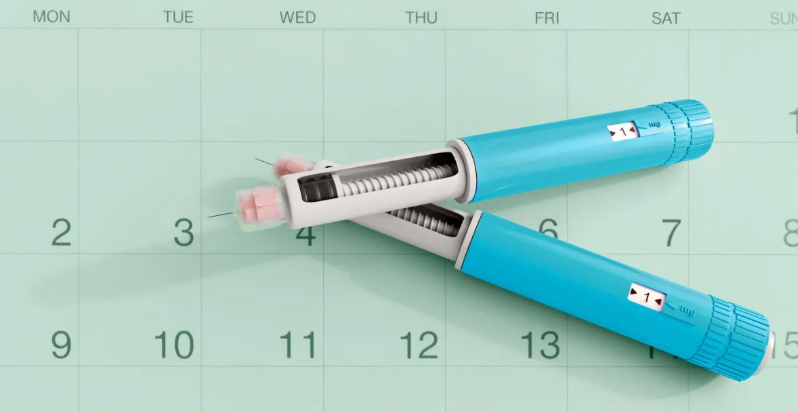
Ozempic treatment starts with a low dose. The current FDA prescribing information recommends 0.25 mg once weekly for the first four weeks, followed by 0.5 mg once weekly. A provider may increase the dose further when additional blood sugar control is needed.
Because treatment begins gradually, it is normal for appetite changes to be subtle at first. You should not increase your dose on your own simply because you do not feel less hungry.
Why Ozempic May Reduce Appetite
Ozempic works on GLP-1 receptors involved in appetite regulation, blood sugar control, and digestion. It also slows the movement of food through the stomach, which can contribute to feeling full for longer.
Because of these effects, some people may naturally eat smaller portions or feel satisfied with less food. You may also notice that you are less interested in snacks between meals. However, the experience varies, and appetite suppression should not be the only way you judge your response to treatment.
For people using Ozempic for type 2 diabetes, blood sugar control is an important part of evaluating whether treatment is working. Your healthcare provider can monitor several factors rather than focusing only on hunger or weight.
Appetite Changes May Develop Gradually
The first few weeks of treatment are generally a period of adjustment. You may notice that your appetite changes slowly rather than disappearing suddenly. Some people experience stronger effects after their prescribed dose is increased.
A stronger appetite effect is not necessarily better. Increasing the dose too quickly can increase the risk of side effects, particularly digestive problems. Your healthcare provider should decide when a dose adjustment is appropriate.
FitRx gives eligible patients access to licensed healthcare providers who can monitor their treatment and discuss how they are responding. If you are not noticing the expected changes or are experiencing uncomfortable side effects, your provider can review your treatment plan.
What Appetite Suppression Can Feel Like
Appetite suppression does not necessarily mean that you will stop feeling hungry. Instead, you might notice that you become satisfied after eating less food or that you do not feel the need to snack as often.
Some people may find that foods they previously enjoyed in large portions become less appealing. Others may simply notice that they can stop eating sooner because they feel comfortably full.
Even with a reduced appetite, it is important to maintain good nutrition. Eating smaller amounts can make food quality more important because you still need adequate protein, fiber, vitamins, minerals, and other nutrients.
What If You Still Feel Hungry
If you continue to feel hungry after starting Ozempic, do not assume that the treatment is not working. Everyone responds differently, and the starting dose is intentionally low.
Your healthcare provider may consider how long you have been taking the medication, your current dose, your blood sugar levels, side effects, and overall treatment goals. These factors can help determine whether your current plan should continue or be adjusted.
If your main goal is weight management, discuss that goal directly with your provider. Ozempic is approved for specific medical uses related to type 2 diabetes and cardiovascular and kidney outcomes, rather than specifically for chronic weight management.
Eating When Your Appetite Is Lower
When your appetite decreases, choosing nutritious foods can help you get the nutrients your body needs without relying on large meals. Protein-rich foods, vegetables, fruits, whole grains, and healthy fats can all have a place in a balanced eating pattern.
Smaller meals may be more comfortable if you experience early fullness or nausea. Eating slowly can also help you recognize when you are satisfied rather than continuing to eat beyond comfortable fullness.
Staying hydrated is also important. If you experience ongoing vomiting or diarrhea, contact your healthcare provider because fluid loss can become a concern.
Common Side Effects
Nausea, vomiting, diarrhea, abdominal pain, and constipation are among the common side effects associated with Ozempic. These symptoms can occur when treatment begins or after a dose increase.
Some people find that these symptoms become easier to manage as their body adjusts. However, severe or persistent symptoms should be discussed with a healthcare professional rather than ignored.
Ozempic also has important safety warnings involving pancreatitis, diabetic retinopathy complications, low blood sugar when combined with certain medications, kidney problems associated with dehydration, gallbladder disease, and severe gastrointestinal reactions.
FitRx and Ozempic Treatment
FitRx provides an online healthcare option for eligible patients who want to discuss Ozempic and other treatment choices with licensed providers. Patients can provide information about their health, medications, and treatment goals before a provider determines whether a prescription is medically appropriate.
FitRx can also provide ongoing support as patients adjust to treatment. If you experience changes in appetite, digestive symptoms, or other concerns, discussing them with your provider can help ensure that your treatment remains appropriate.
Rather than making medication changes based only on appetite, FitRx providers can consider your overall health and treatment response. This creates a more personalized approach to managing your care.
How Long Can Appetite Effects Continue
Ozempic is designed for once-weekly use, and its effects can continue between doses. Some people experience relatively consistent appetite changes throughout the week, while others may notice differences at certain times.
Your appetite may also change as your treatment progresses. Factors such as dose adjustments, eating habits, physical activity, and your individual response can influence what you experience.
Long-term health goals should not depend entirely on appetite suppression. A balanced diet, regular physical activity, adequate sleep, and appropriate medical care can all contribute to better long-term results.
Conclusion
Ozempic may begin reducing appetite during the first few weeks for some people, but there is no exact timeline that applies to everyone. Because treatment begins at a low dose and increases gradually, appetite changes may develop over time.
If you are considering an ozempic prescription, speak with a licensed healthcare provider about your goals and what to expect. FitRx gives eligible patients access to online providers who can evaluate their needs, discuss treatment options, and provide ongoing support.
Most importantly, do not increase your Ozempic dose simply because you want stronger appetite suppression. Follow your prescribed treatment plan and speak with your healthcare provider before making any changes.