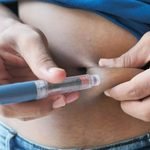


Zepbound can support weight loss by helping regulate appetite, food intake, and feelings of fullness. Its active ingredient, tirzepatide, works on GIP and GLP-1 receptors that are involved in appetite regulation and calorie intake. AM Rx provides zepbound weight loss prescription for eligible adults along with weight loss coaching, nutrition and fitness support, and progress tracking.
The timeline for weight loss is different for everyone. Some people may notice appetite changes during the early weeks, while visible changes in body weight can take longer. Zepbound starts with a lower dose and increases gradually when appropriate, so treatment is designed around steady progress rather than expecting rapid results within a few days.
What Happens During the First Few Weeks
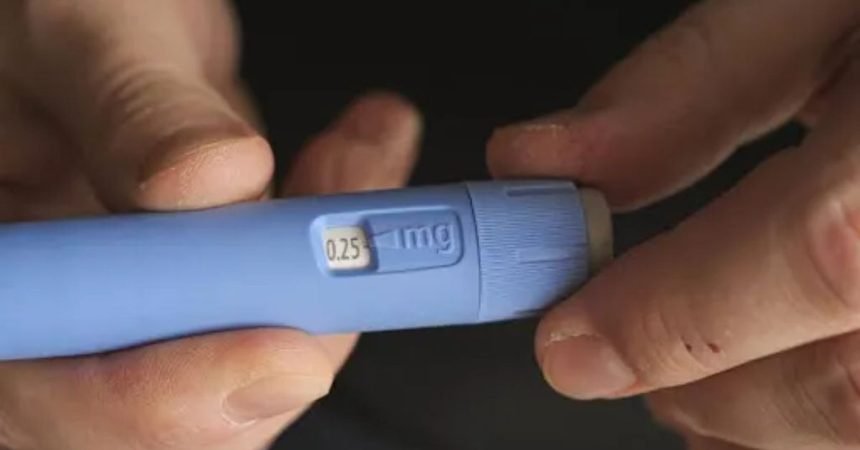
The first few weeks of Zepbound treatment are generally focused on helping the body adjust to the medication. The recommended starting dose is 2.5 mg once weekly for four weeks. This starting dose is intended for treatment initiation rather than long-term maintenance.
Some people may notice changes in hunger or portion sizes during this period, while others may experience a more gradual response. Early weight changes can also fluctuate because body weight is affected by fluid levels, digestion, food intake, activity, and other factors.
When Appetite Changes May Begin
Zepbound can influence appetite through its activity on GIP and GLP-1 receptors. Some people may begin feeling satisfied with smaller portions or notice less interest in food after starting treatment. These effects can make it easier to reduce calorie intake without relying only on strict dietary restrictions.
The timing and strength of appetite changes vary between individuals. A stronger appetite effect during the earliest stage does not necessarily mean better long-term results. The focus should remain on achieving an appropriate response while maintaining adequate nutrition and managing potential side effects.
Why Weight Loss Takes Time
Weight loss does not happen at the same speed for everyone. Even when Zepbound starts affecting appetite, the scale may not change immediately. Daily fluctuations can occur because of hydration, digestion, sodium intake, hormonal changes, physical activity, and other factors.
Clinical research evaluates Zepbound over many months rather than judging its effectiveness after only a few weeks. In major weight management studies, results were assessed after 72 weeks of treatment, with participants also following a reduced-calorie diet and receiving guidance to increase physical activity.
How Zepbound Dosage Changes Over Time
Zepbound treatment begins with 2.5 mg once weekly for four weeks. When appropriate, the dose can then be increased in 2.5 mg increments after at least four weeks. Maintenance doses for weight reduction include 5 mg, 10 mg, or 15 mg once weekly.
Dose increases should follow the prescribing healthcare professional’s instructions. Moving to a higher dose does not guarantee faster weight loss, and the appropriate dose depends on treatment response and tolerability. Gradual increases allow the body time to adjust to the medication.
What Clinical Studies Show About Weight Loss
Clinical studies show that Zepbound can produce meaningful weight reduction when used alongside a reduced-calorie diet and increased physical activity. In a 72-week study involving adults with obesity or overweight and a weight-related health condition, average weight loss was about 15 percent with 5 mg, 19.5 percent with 10 mg, and 20.9 percent with 15 mg.
These figures represent average results from clinical research rather than a guaranteed outcome. Individual results can be higher or lower depending on factors including starting weight, treatment consistency, dosage, eating habits, physical activity, medical conditions, and individual response.
How Diet Can Support Progress
Zepbound is intended to be used with a reduced-calorie diet. Because the medication may reduce appetite, some people find it easier to control portions and reduce unnecessary snacking. Choosing nutritious foods can help ensure that lower calorie intake still provides the body with important nutrients.
Meals can include adequate protein, vegetables, fruits, whole grains, and healthy fats based on individual needs. Staying hydrated can also be important during treatment. Extreme calorie restriction is not necessary and may make it difficult to maintain adequate nutrition.
Why Physical Activity Still Matters
Exercise can complement Zepbound by supporting energy expenditure, cardiovascular health, strength, and physical fitness. Regular movement can also become an important part of maintaining weight loss over the long term.
Physical activity does not have to begin with demanding workouts. Walking, cycling, swimming, resistance training, and other forms of movement can be adjusted according to fitness level and medical needs. Building a consistent routine can be more practical than attempting an intense exercise schedule that is difficult to maintain.
How AM Rx Supports Zepbound Treatment
AM Rx provides Zepbound to eligible adults when a healthcare provider determines that the treatment is appropriate. Its weight management program also includes weight loss coaching, nutrition and fitness guidance, insurance support, and progress tracking. These services can help make medication part of a broader weight management routine.
Ongoing medical support can also help monitor weight changes, appetite, side effects, and treatment response. AM Rx gives eligible members access to healthcare guidance throughout the process, helping ensure that treatment decisions are based on individual needs rather than expectations about rapid weight loss.
Why Individual Results Can Vary
Two people taking Zepbound can experience different results even when they use the same dose. Starting weight, body composition, genetics, eating habits, physical activity, medical conditions, other medications, and individual response can all affect the pace of weight loss.
A slower period does not automatically mean that treatment is ineffective. Weight loss can move at different rates throughout treatment, with periods of faster progress followed by slower changes. Looking at the overall trend over several weeks or months provides a more useful picture than focusing on daily scale changes.
Managing Expectations During Treatment
It can be tempting to expect a specific amount of weight loss within a particular number of weeks. However, there is no single timeline that applies to everyone. The goal of treatment is to support meaningful and sustainable weight management while maintaining safety and adequate nutrition.
Healthcare providers can evaluate progress over time and determine whether the current treatment plan remains appropriate. This can include reviewing medication tolerance, weight trends, eating habits, physical activity, and other health factors.
Final Thoughts
Zepbound may begin supporting appetite control during the early stages of treatment, but meaningful weight loss generally develops over a longer period. The initial weeks are often focused on adjusting to treatment, while continued use can support greater weight reduction over the following months when combined with appropriate lifestyle habits.
Individual results vary, so progress should not be judged by a short-term timeline. Nutritious eating, regular physical activity, consistent treatment, and medical monitoring can all support better long-term weight management. AM Rx combines Zepbound treatment for eligible members with coaching, nutrition and fitness guidance, and progress tracking to support the overall weight loss process.
Files, images, and data a