

The mind updates its picture of the body slowly. People who have changed considerably often report that the mirror shows one thing while the instinctive sense of themselves shows another, sometimes for a year or more. That lag explains a great deal about why appearance and confidence do not move together in a straight line. Understanding it makes the whole subject easier to navigate, whether or not you decide to change anything about how you look.
Why the Mirror and the Mind Disagree
The brain builds a body map over years and revises it reluctantly. After significant weight loss, many people still reach for the larger size on the rack or turn sideways through a doorway that no longer requires it. Those habits are not vanity or denial. They are simply an outdated map, and it takes months of contradicting evidence before it updates.
Photographs help more than mirrors here, because a mirror is viewed through the same outdated expectation every day. A picture taken by someone else, months apart, gives the brain something it cannot argue with. Several people describe that moment as the point where the gap finally started to close.
Confidence Built on Appearance Alone Is Fragile
If how you feel about yourself rests entirely on how you look, every ordinary fluctuation becomes destabilizing. A bad night of sleep, a heavy meal or unflattering lighting can undo a good week. People who describe steady confidence almost always draw on several sources at once, including competence at work, relationships and physical capability rather than physical appearance.
What Changing Something Can and Cannot Do
A specific physical change can remove a specific irritation. Clothes fit differently, a recurring frustration disappears and attention moves elsewhere. What it does not do is rewrite how you relate to yourself generally. Patients who understand this distinction going in are consistently the most satisfied afterward, regardless of the procedure involved.
Naming the Concern Precisely
Vague dissatisfaction resists every solution. Specific concerns can actually be addressed. There is a real difference between saying you dislike your body and saying that loose skin at your midsection makes certain clothing uncomfortable and interferes with running. The second version points somewhere concrete. The first tends to follow a person through any change they make.
The Role of Physical Capability
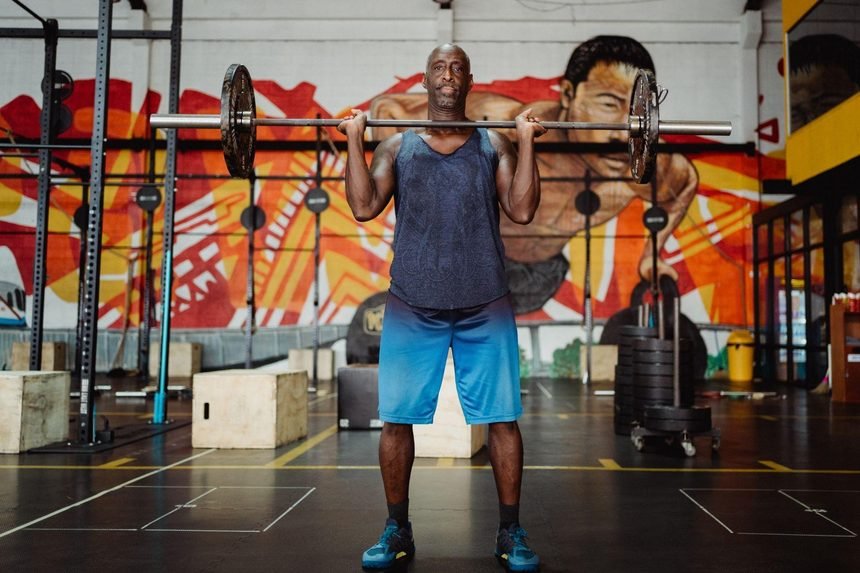
Strength training and endurance work shift the relationship with the body in a way that appearance-focused effort rarely does. Lifting more than last month or finishing a distance you could not finish in spring gives the mind evidence it can use. That evidence does not depend on lighting, clothing or anyone else’s opinion, which is precisely what makes it durable.
Being Honest About Timing
Decisions about appearance made during a divorce, a job loss or a period of grief often look different a year later. That does not make them wrong, but it does argue for slowing down. If the impulse survives six months of ordinary life, it is almost certainly yours rather than a response to a difficult season.
Finding a Balanced Perspective
Caring about how you look is normal and needs no defence. Letting it become the only measure of your worth is the part that causes trouble. The healthiest position sits somewhere in the middle: address what genuinely bothers you, invest in the parts of your life that appearance cannot touch and stop treating the two as opposing choices.