

A cracked tooth may seem like a small problem at first, but it can lead to serious dental issues if ignored. Many people wonder whether a cracked tooth can heal on its own or if professional treatment is necessary. At Stehl Family Dental, patients often ask about the signs, causes, and treatment options for cracked teeth.
Understanding the difference between a minor crack and a serious dental problem can help protect your oral health. Early care can prevent pain, infection, and further damage to the tooth. In this blog, we will explain everything you need to know about cracked teeth in a simple and informative way.
What Is a Cracked Tooth?
A cracked tooth is a tooth that has a small split or fracture on its surface or deep inside the structure. Some cracks are easy to notice, while others may only cause pain when chewing or drinking something hot or cold. Cracks can develop slowly over time or happen suddenly because of pressure or injury. Even a tiny crack can weaken the tooth and increase the risk of infection if left untreated. Getting early dental care can help protect the tooth and prevent further damage.
What Causes Teeth to Crack?
Teeth can crack for many reasons, especially when they are subjected to strong pressure or a sudden impact. Daily habits and poor dental protection can also increase the risk of tooth damage.
- Biting hard foods like ice, nuts, or hard candy
- Teeth grinding or jaw clenching during sleep
- Sudden injury or accidents during sports or falls
- Large fillings that weaken the natural tooth
- Aging and normal wear over time
Can a Cracked Tooth Heal on Its Own?
Unlike bones, teeth cannot fully heal themselves once they are cracked because tooth enamel does not regenerate naturally. A minor crack may not cause immediate pain, but it can still grow worse over time without treatment. In some cases, the tooth may feel normal for a while, making the problem difficult to notice early. However, bacteria can enter the crack and lead to infection or more serious damage inside the tooth. Professional dental treatment is usually needed to protect and restore the tooth properly. Early diagnosis can help save the tooth and prevent more serious dental complications.
Warning Signs You Should Never Ignore
A cracked tooth may not always be visible, but certain symptoms can indicate that something is wrong. Paying attention to these warning signs can help you seek treatment before the damage becomes severe.
- Sharp pain when biting or chewing food
- Sensitivity to hot, cold, or sweet drinks
- Swelling or discomfort around the affected tooth
- Pain that comes and goes unexpectedly
- A rough or uneven feeling on the tooth surface
Treatment Options for a Cracked Tooth
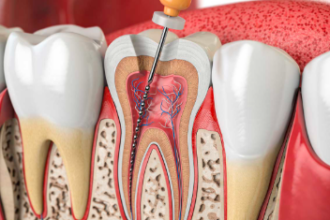
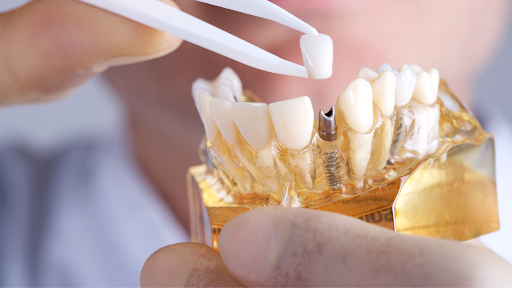
The treatment for a cracked tooth depends on the size, location, and severity of the crack. In many cases, dentists use dental bonding to repair small cracks and restore the tooth’s appearance. For deeper cracks, a dental crown may be placed to protect the tooth from further damage. If the crack reaches the inner pulp, a root canal treatment may be necessary to remove infection and save the tooth. In difficult situations where the tooth cannot be repaired, extraction may be the best option. At Stehl Family Dental, patients receive personalized care to determine the most effective treatment for their dental needs. Early treatment can reduce pain, prevent complications, and help preserve a healthy smile.
How to Prevent Your Teeth From Cracking
- Avoid chewing hard foods like ice, popcorn kernels, and hard candy.
These foods can place extra pressure on your teeth and increase the risk of cracks. - Wear a mouthguard if you grind your teeth during sleep or play sports.
A mouthguard helps protect your teeth from pressure, impact, and injury. - Maintain regular dental checkups and cleanings with your dentist.
Early exams can identify weak teeth or small cracks before they become serious. - Do not use your teeth to open bottles or tear packaging.
Using teeth as tools can weaken enamel and lead to sudden fractures. - Practice good oral hygiene every day to keep teeth strong and healthy.
Brushing and flossing regularly can help prevent decay that may weaken teeth over time.
Conclusion
Cracked teeth are a common dental problem, but they should never be ignored because they can quickly become more serious. Since teeth cannot heal on their own, early diagnosis and proper treatment are essential to protect your oral health. With modern dental care, most cracked teeth can be successfully repaired and saved if treated in time.
Simple habits like avoiding hard foods and wearing a mouthguard can greatly reduce the risk of damage. Regular dental visits also help detect small cracks before they worsen. If you notice any signs of a cracked tooth, it is important to seek professional help without delay. For safe and effective care, trusted clinics like Stehl Family Dental can help restore your smile and prevent future complications.